
Our story
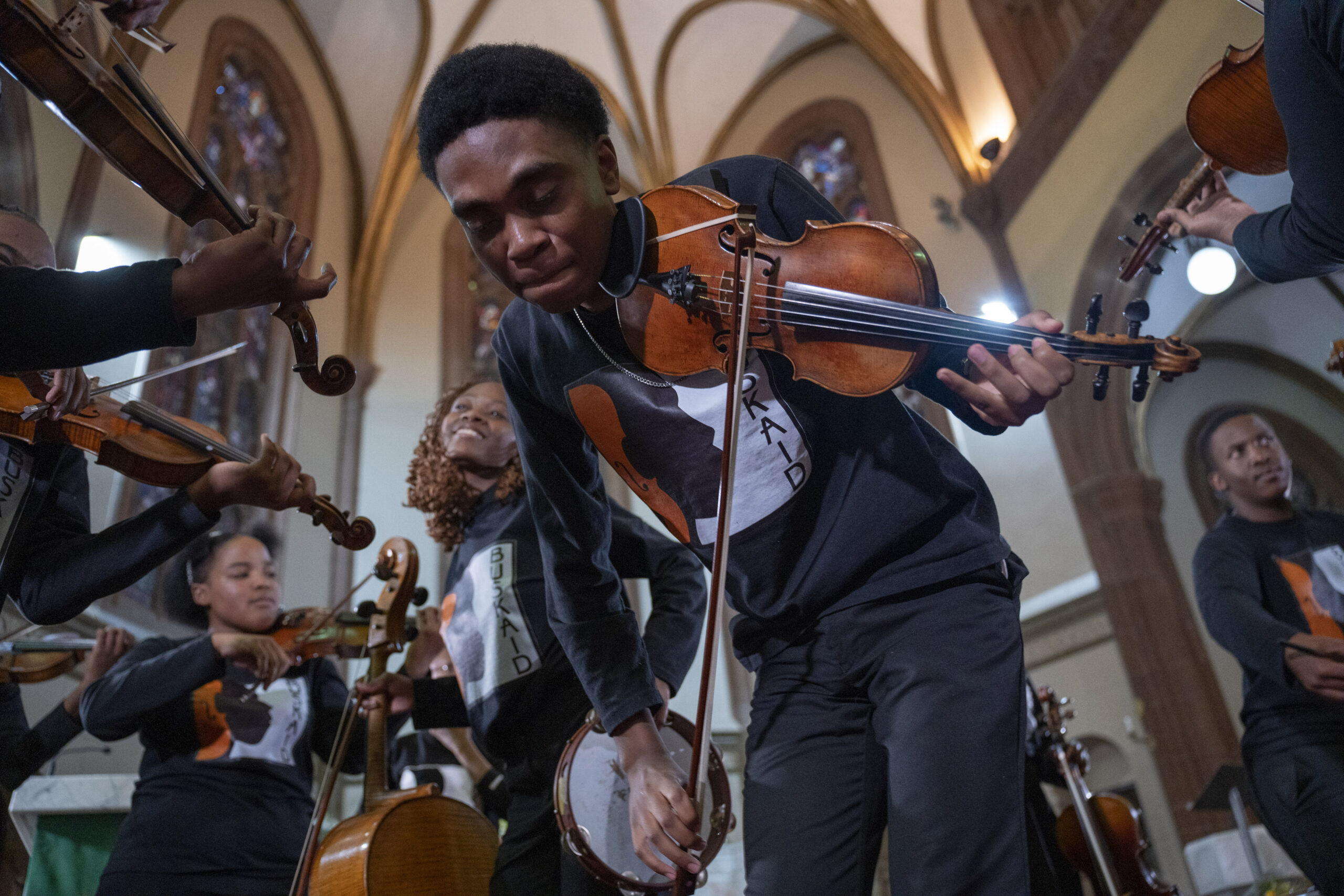
Buskaid was founded in 1992 by British viola player Rosemary Nalden to assist a struggling music project in Diepkloof, Soweto. In 1997 Rosemary moved to South Africa to establish the Buskaid Soweto String Project.
The Buskaid Music School, built in 1999, is recognised internationally for its exceptional teaching methods and its highly acclaimed string ensemble.

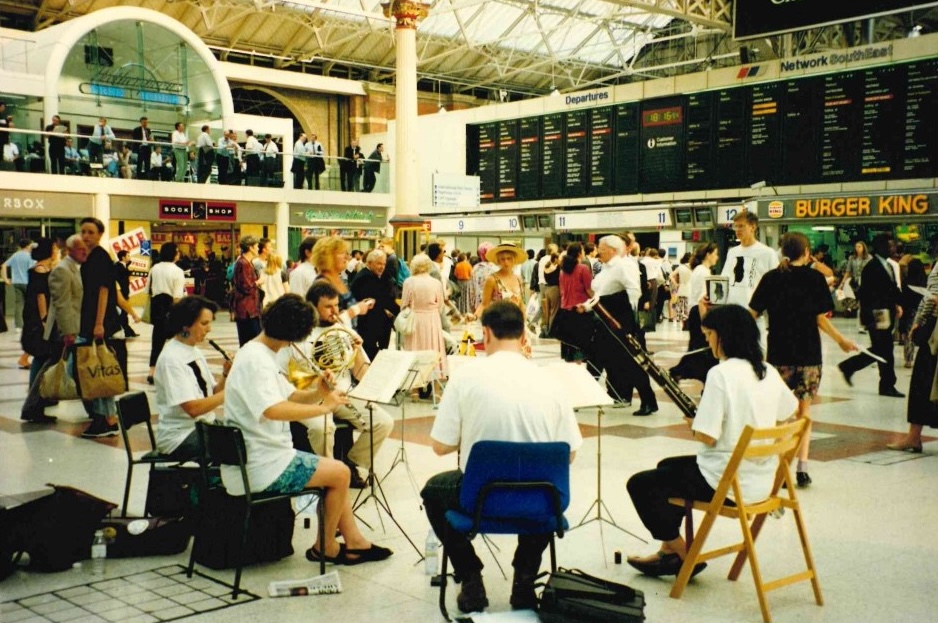

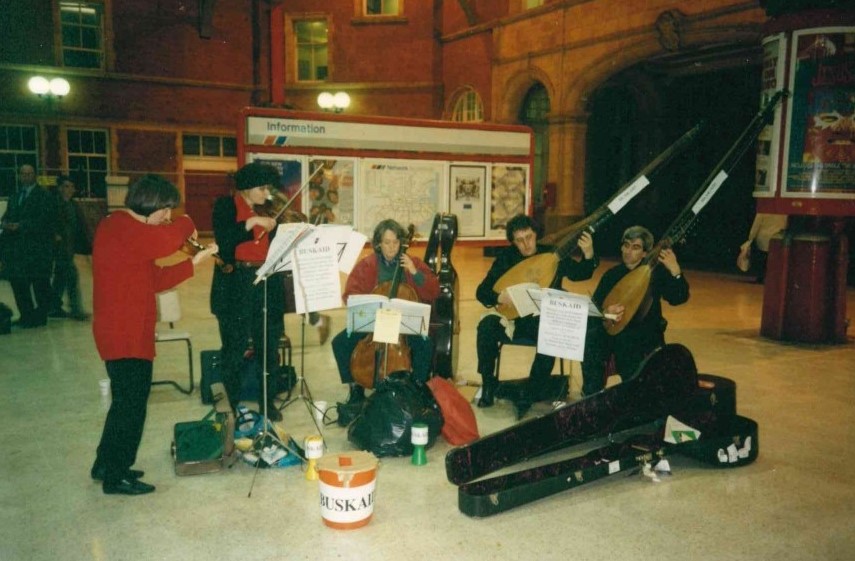
Busking in the UK
In November 1991 British viola player Rosemary Nalden heard a brief interview on BBC Radio 4’s TODAY programme about the difficulties facing a group of young string players in Diepkloof, Soweto, a story subsequently featured in the UK’s Independent on Sunday.
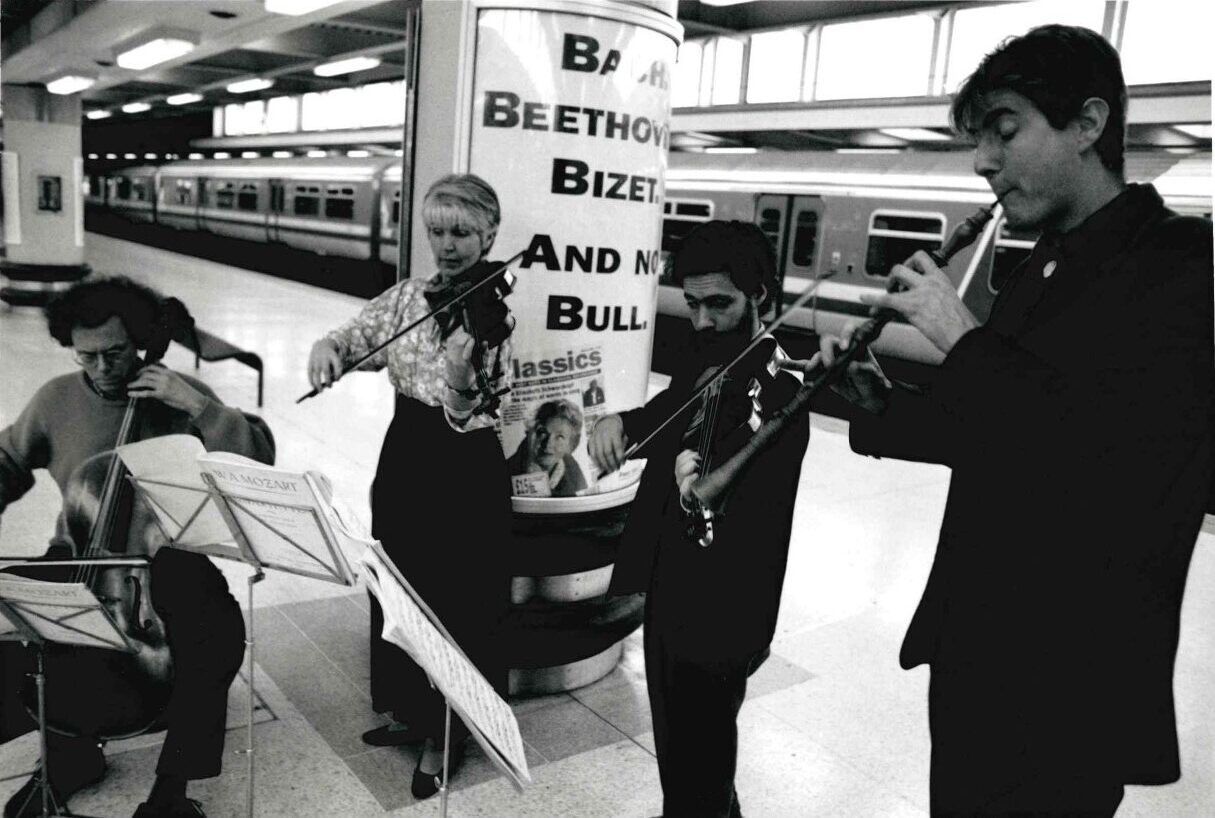
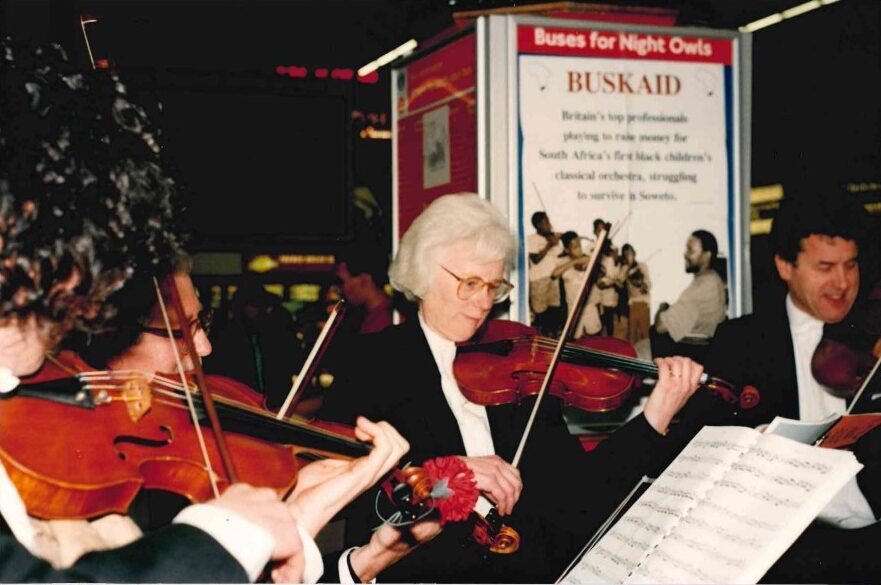
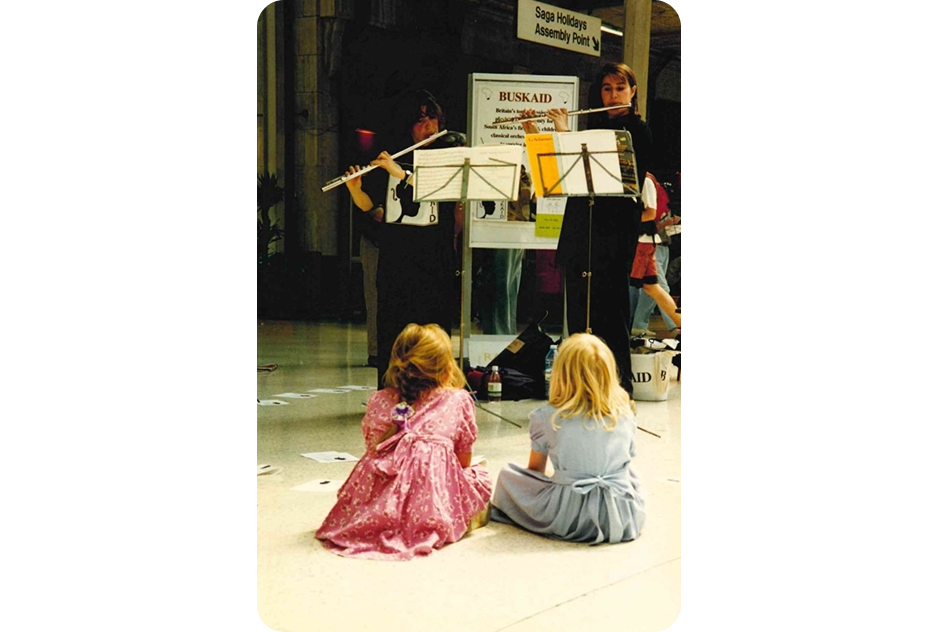
In March 1992, 120 of Rosemary’s professional colleagues took part in a simultaneous ‘busk’ at sixteen British Rail stations, raising £6000 to support the young township musicians. Footage from this event is available on YouTube. Since then, several hundred distinguished musicians have participated in a further four UK ‘busks’. The tradition continued in South Africa in the early days of the fledgling Buskaid Soweto String Project (1997) when its founding members raised funds by busking in local shopping malls.
Between 1992 and 1996 Rosemary visited the project, which was based in the washroom of the dilapidated Diepkloof Hall, next to the Mandela Squatter Camp. During these visits she helped with the teaching and offered general support to both teachers and pupils.
Founding the Buskaid Project
By January 1997, because this project had fallen into disarray, Rosemary decided to spend more time in Johannesburg and, responding to requests from the local Diepkloof community, established the Buskaid Soweto String Project. Fifteen students from the original project and a few new beginners formed the basis of the new project, whose home consisted of a small room next to a priest’s office at a local Lutheran Church. When Rosemary was joined by two part-time teachers from Johannesburg, no three teachers could work simultaneously unless two were prepared to teach outside.
By the end of 1997 it had become increasingly evident that this situation was untenable, particularly as Rosemary was by now inundated with requests from talented youngsters eager to join Buskaid. After a lengthy search for new premises, she identified a suitable site nearby on which to build Buskaid’s own music school. Funded by donations from South African corporate sponsors and trusts, the Buskaid Music School – South Africa’s very first purpose-built music school – opened in May 1999. It was designed by Johannesburg-based architect, Uwe Putlitz, in collaboration with consultant acoustician Ivan Lin.

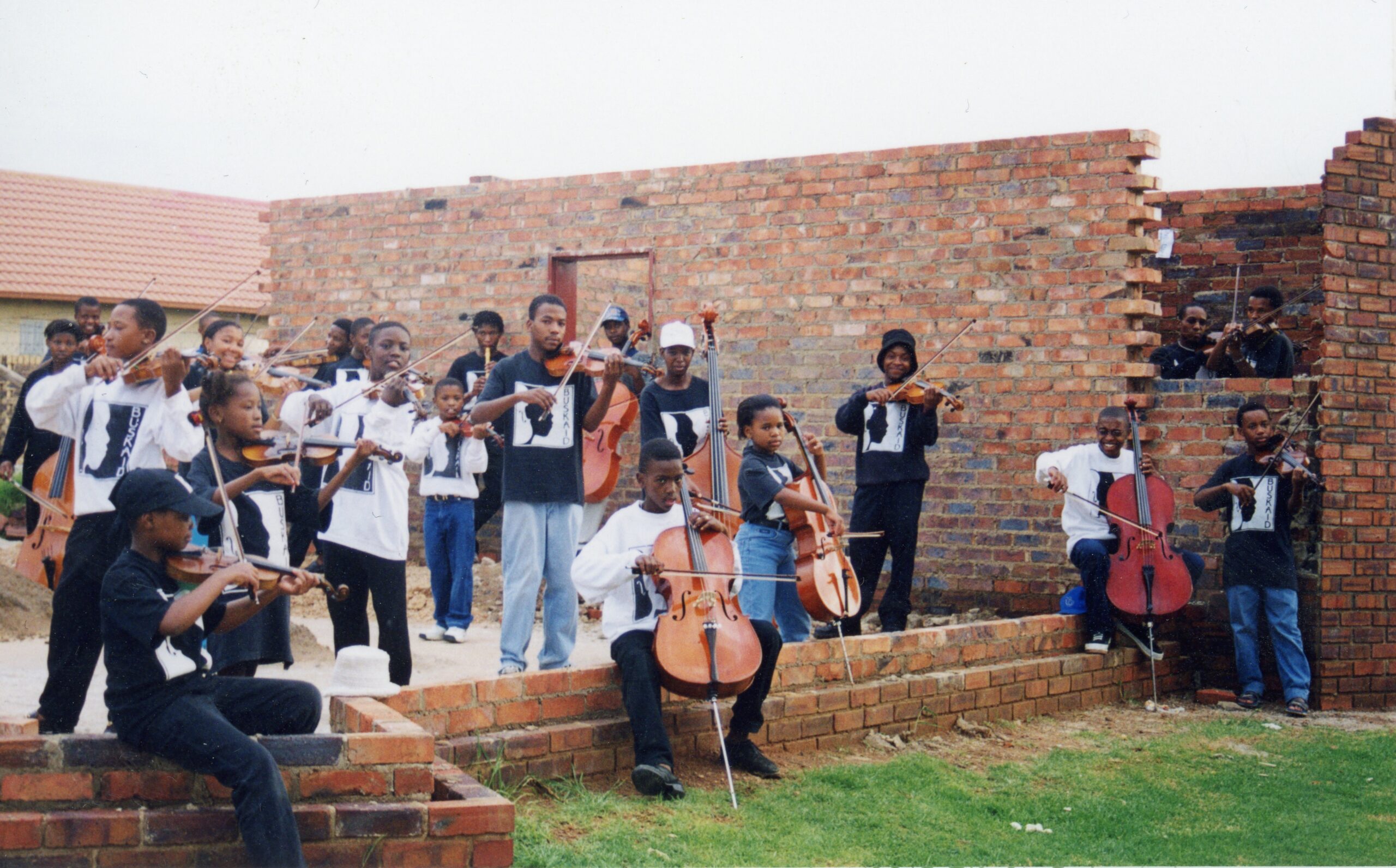

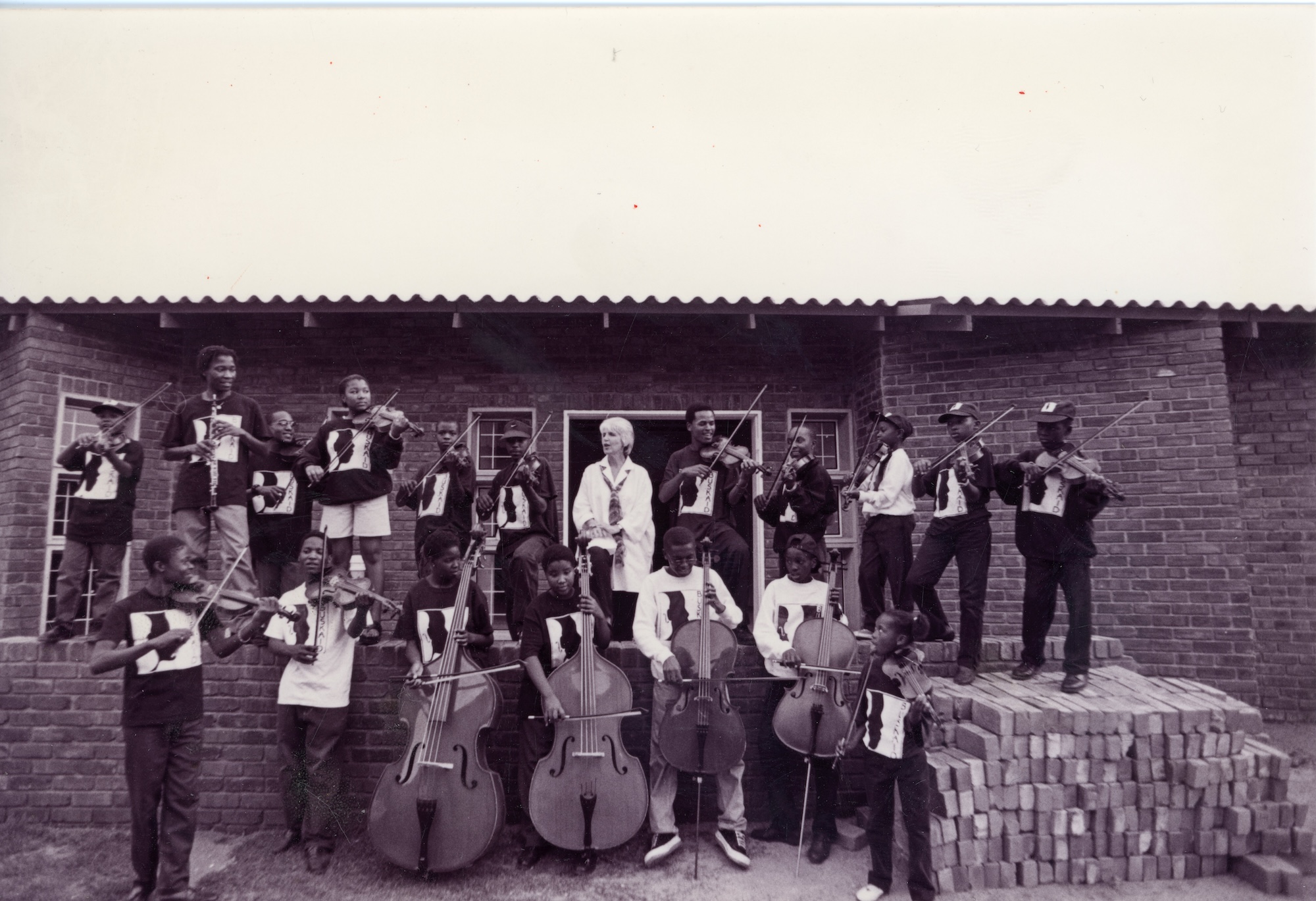



Teacher training, instrument repairs and the Buskaid Ensemble
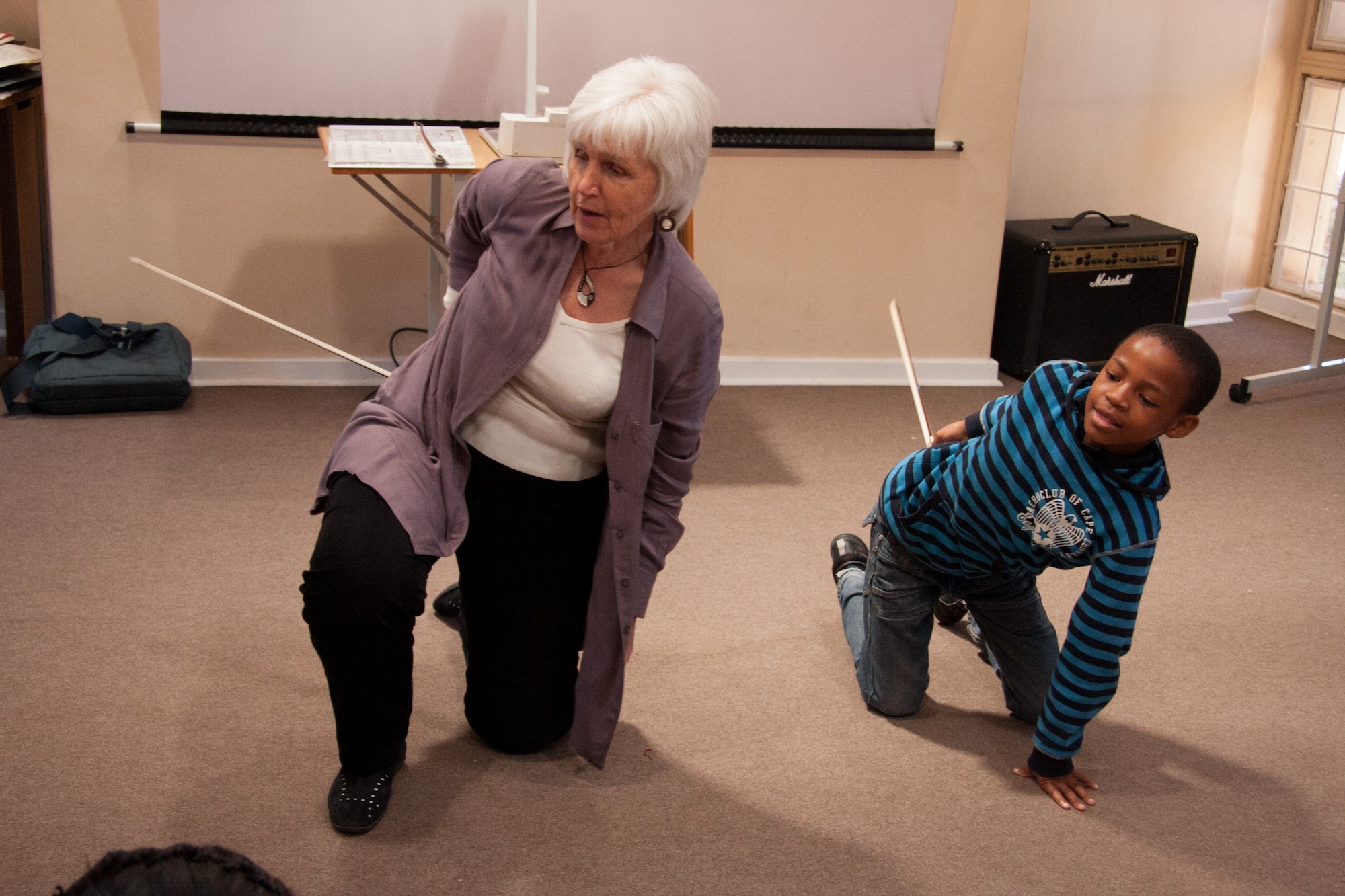
Later in 1999 Rosemary was joined by South African cellist Sonja Bass, initially employed as Buskaid’s full-time administrator, and soon to become Buskaid’s cello teacher. The move to the new school brought with it many more requests from local children to join, and soon it was obvious that more teachers were needed. Because Rosemary and Sonja had had little success in finding teachers from Johannesburg, in 2001 they introduced Buskaid’s own in-house teacher-training programme.
A further challenge arose in the early 2000s when the majority of Johannesburg’s qualified stringed instrument repairers left South Africa. Once again it was decided that this problem should be solved ‘inhouse’, and Sonja immediately expressed interest in initiating the instrument repair programme herself.
Since 1997, the Buskaid Soweto String Ensemble has developed from a beginner string group into a world-renowned string ensemble, with an impressive track record for high quality, historically-informed performances. These performances have entranced and inspired audiences both locally and internationally.
0ver 70 of the ensemble’s live performances can be found on YouTube.